May 04, 2026
| Answer Plot
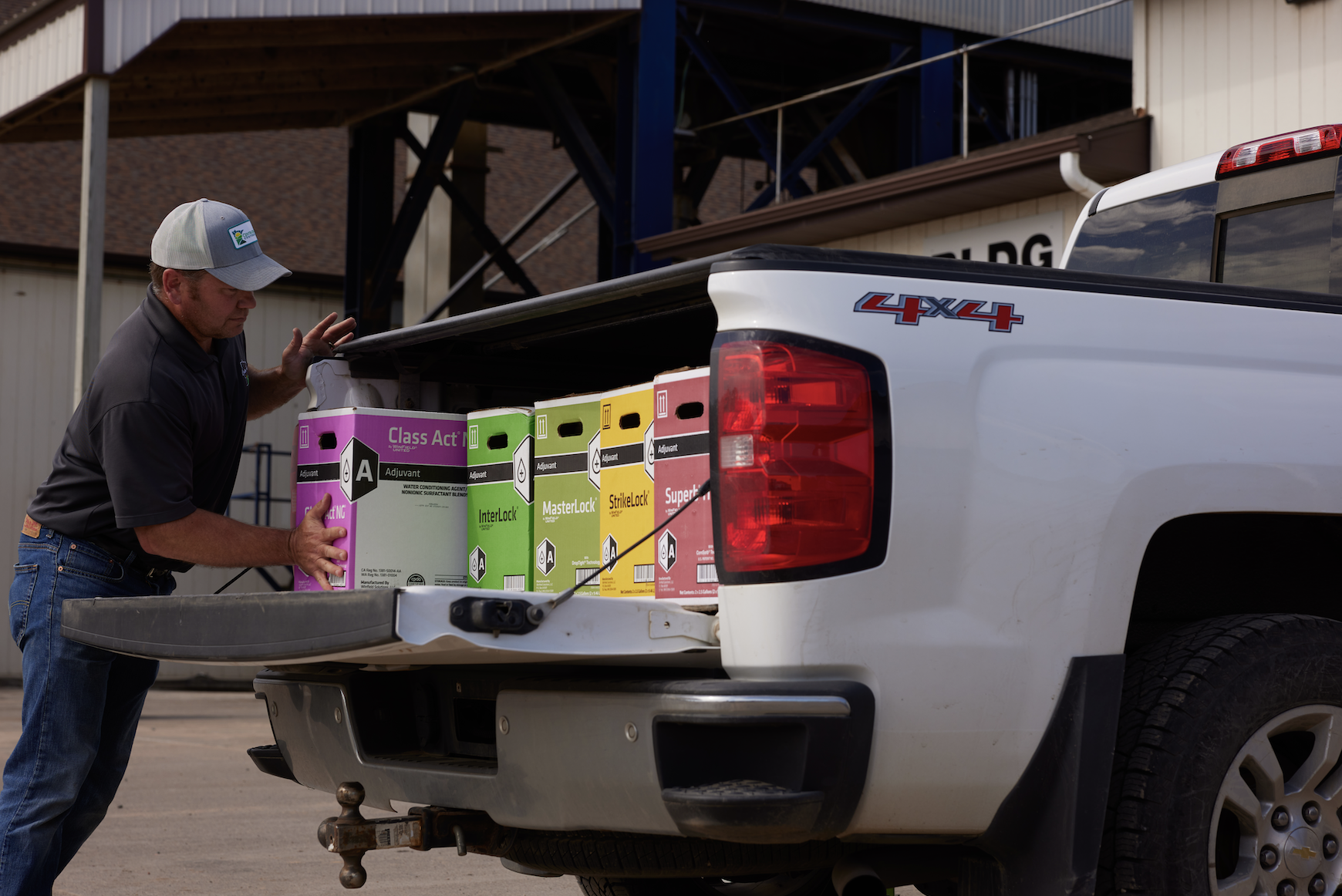
To maximize profitability potential, every dollar spent on crop protection products must deliver the best possible return on investment. That’s where adjuvants come in. They’re the unsung heroes of the tank mix, and they can help enhance the performance of herbicides,...
Mar 04, 2026
| Answer Plot
Planting is just around the corner. Every decision you make, including your seed purchase and the ground conditions you place it in, can affect the number on the yield monitor at harvest. When seeds start in cold, wet soils, it can lead to early-season plant stress that can impac...
Feb 24, 2026
| Answer Plot
If you deal with winter or spring annual weeds in your fields, it's important to consider including a spring burndown herbicide application. Winter annuals, including marestail, chickweed, henbit, pennycress and shepherd’s purse, resume growing as soon as temperatures g...
Dec 16, 2025
| Answer Plot
In 2025, moisture was extremely prevalent in some areas, and with it, disease pressure. Across the lower corn belt from St. Louis to central Ohio, heavy rains came in the early season, impacting planting timing, while the central upper Midwest received excessive moisture mid-seas...
Nov 25, 2025
| Answer Plot
With the strong disease pressures we saw in 2025, it’s a good idea to consider now how you’ll handle those potential threats in the upcoming season. Your crops (and your wallet) will benefit from a proactive approach to disease management. Here are six tips to plan ah...
Oct 28, 2025
| Answer Plot
Your crop has its maximum potential before the seed ever hits the soil. Every day after planting, biotic and abiotic stresses can chip away at that seed’s yield potential. That’s why investing in an effective seed treatment is so important. Seed treatments help protec...